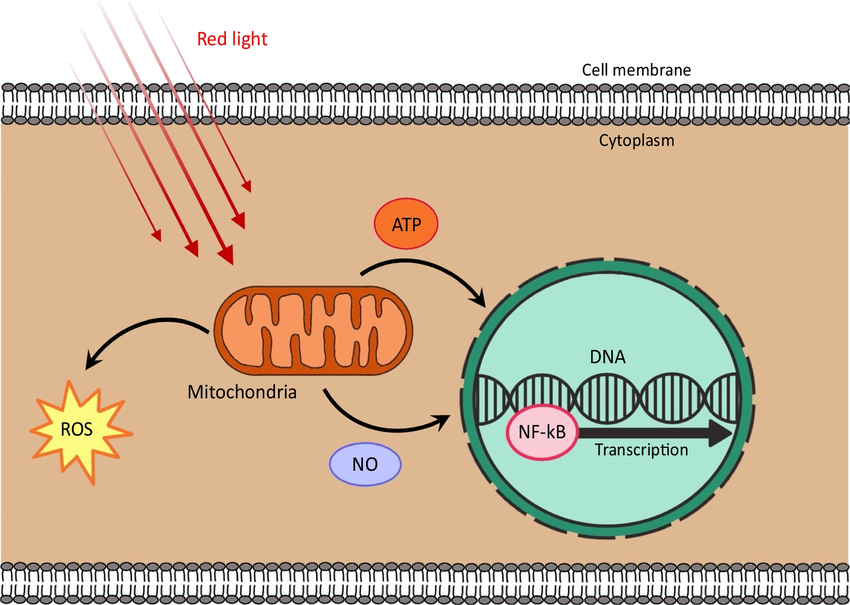
Red light therapy, also known as low-level laser therapy (LLLT), uses specific wavelengths of light to stimulate healing in the body. One of the key ways it accelerates recovery is by increasing the production of adenosine triphosphate (ATP) in cells, which is essential for tissue repair and regeneration.
How Red Light Therapy Boosts ATP Production
When red light is absorbed by the skin, it penetrates deep into tissues and reaches the mitochondria, the energy powerhouses of our cells. This process triggers the production of ATP, the energy currency that cells need to carry out vital functions. With more ATP, cells can repair and regenerate faster, helping tissues heal more efficiently.
Red Light Therapy and Tissue Healing
The increased ATP production supports several key processes in tissue healing:
Accelerated Repair – ATP helps cells divide and regenerate more quickly, speeding up the healing of damaged tissues such as muscles, ligaments, and skin.
Improved Circulation – Red light therapy enhances blood flow to the treated area, bringing more oxygen and nutrients that are necessary for the healing process.
Reduced Inflammation – By boosting ATP and improving circulation, red light therapy also helps reduce inflammation, which is crucial for pain relief and preventing further tissue damage.
Conclusion
Red light therapy is a powerful tool for tissue healing. By increasing ATP production, it helps cells repair and regenerate faster, reduces inflammation, and enhances circulation. Whether you’re recovering from an injury or looking to improve your overall health, red light therapy can accelerate the body’s natural healing process.